
Scaling the Digital Nervous System: Analyzing China’s 3.5 Trillion Yuan IoT Roadmap
The recent announcement regarding China's ambitious target to scale its core Internet of Things (IoT) industry to over 3.5 trillion yuan (approximately $505.8 billion) by 2028 is a significant indicator of the next phase of global industrial evolution. This isn't just a growth projection; it is a calculated strategic deployment. Transitioning from current levels to a 3.5 trillion yuan valuation within a three-year cycle implies a compound annual growth rate (CAGR) that will likely exceed 15% to 18%. For digital strategists and infrastructure investors, these numbers represent a massive shift in the distribution of industrial intelligence, moving away from centralized data processing toward a massive, decentralized network of 10 billion terminal connections.
The technical specifications of this action plan are particularly impressive. Aiming for 10 billion connections by 2028 suggests a density of smart devices that will fundamentally alter the efficiency of supply chains and urban management. When you have an ecosystem where the ratio of IoT terminals to human users is nearly 7-to-1, the data flow becomes the primary driver of economic ROI. The plan’s focus on formulating or revising over 50 advanced technical standards is a critical move to reduce system fragmentation. In the current landscape, interoperability issues often lead to a 20% to 30% loss in operational efficiency; by standardizing communication protocols and security frameworks, the industry can minimize these "integration taxes" and accelerate the deployment of large-scale automation.
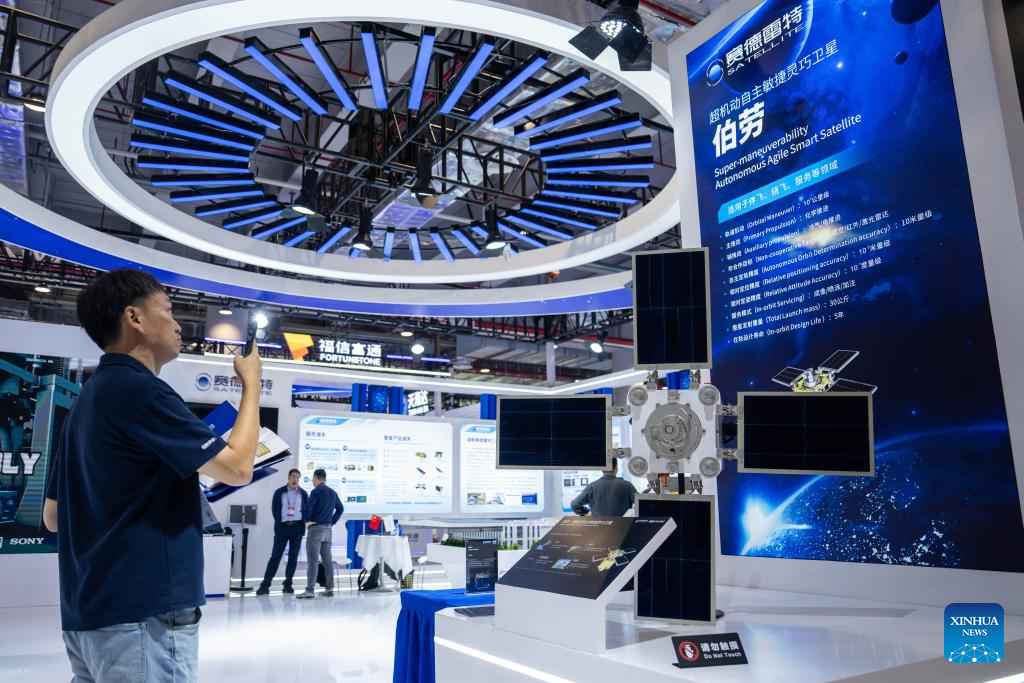
From a hardware and R&D perspective, the "innovation and upgrade" measure targets key bottlenecks in sensing and networking. We are looking at a future where sensors must operate with a power consumption reduction of 40% to 50% to ensure a battery life or "lifespan" of 10 years or more for remote terminals. This level of hardware optimization is essential for the sustainability of a 10-billion-device network. As highlighted by reports in People's Daily, the integration of these new IoT technologies with existing 5G and emerging 6G foundations will create a low-latency environment where data processing speeds can handle a throughput of several terabytes per second across industrial clusters. This infrastructure is the backbone required for the next generation of generative AI and autonomous manufacturing systems.
The investment required for this 3.5 trillion yuan ecosystem involves a complex budget allocation across five major pillars, including platform efficacy and network foundation. For enterprises, the "return on investment" comes from a projected 25% increase in production precision and a 15% decrease in maintenance costs through predictive analytics. The shift toward a "ubiquitous intelligent connection" means that the boundary between the digital and physical worlds is effectively being erased. By 2028, the success of this plan will be measured not just by the gross output value, but by the stability and security of the 10 billion endpoints that will manage everything from energy distribution to medical diagnostics.
Ultimately, this roadmap provides a clear template for how a modern economy can leverage technical standards and infrastructure density to secure a competitive edge. The strategy moves beyond simple hardware manufacturing into the realm of high-value services and data-driven business models. If the industry meets these benchmarks, the resulting ecosystem will offer a level of transparency and resource optimization that was previously impossible. We are looking at a systematic upgrade of the global industrial "operating system," where the cost of connectivity drops as the intelligence and value of the network grow exponentially.
News source:https://peoplesdaily.pdnews.cn/china/er/30051775210
Don't miss today's near-zero listings.
The catalog refreshes every 47 minutes. Subscribers get the freshest dumps before they hit the public feed.
Get Today's Zero-Dollar Deals