
Is Active Cryptocurrency Trading More Lucrative Than Long-Term Holding?
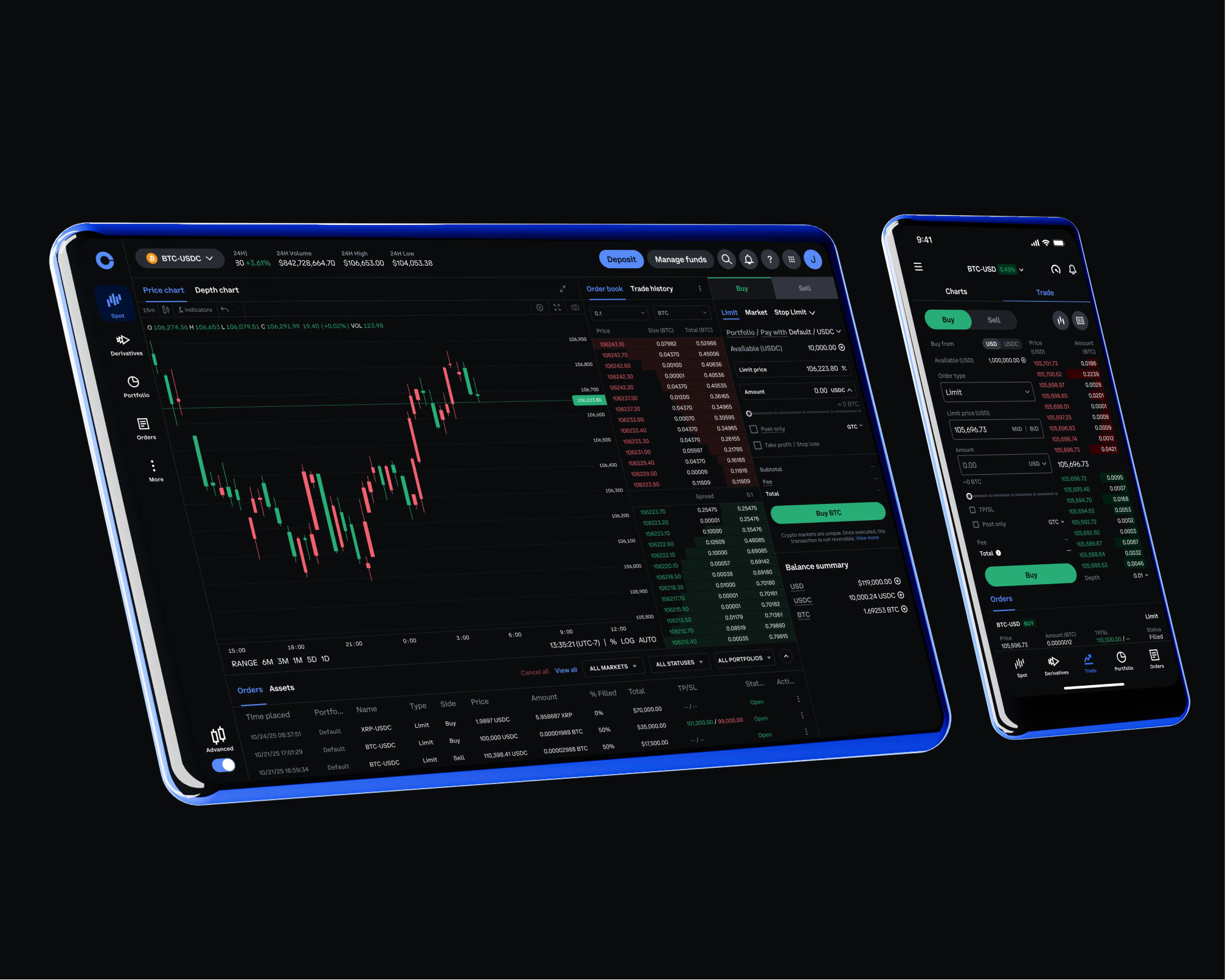
Active trading historically underperforms long-term holding because retail participants face a 90% failure rate due to high fee friction and institutional execution speed advantages. Data from 2025 indicates that buy-and-hold strategies for major assets like Bitcoin often capture a 40% to 60% higher annualized return than day-trading portfolios, which lose value through repeated transaction costs and emotional errors. Using platforms like coinex app download helps minimize slippage, yet even with optimal tools, retail traders lack the sub-1ms latency required to capture short-term price movements against HFT algorithms.
Most day traders underestimate the mathematical impact of trading fees on their capital base. If a trader executes ten trades a day with a 0.1% fee on each, they lose 2% of their total account value daily, effectively compounding to a 40% monthly loss before accounting for price movement.
A study of 2,500 individual retail accounts showed that those trading more than five times per week had a 35% lower net return than accounts that traded fewer than three times per month over the same 2024 timeframe.
Reducing this friction requires focusing on execution efficiency and choosing exchanges with lower maker-taker fee structures. When capital remains idle on an exchange, it sits exposed to potential security risks, prompting professional traders to prioritize self-custody while maintaining only necessary liquidity for active positions.
| Metric | Active Daily Trader | Long-Term Holder |
| Average Transaction Fee | 0.1% - 0.5% per trade | 0% (excluding exit) |
| Annualized Performance | -15% to +5% | +10% to +80% |
| Tax Event Frequency | High (Short-term) | Low (Long-term) |
| Risk Exposure | High (Leverage) | Moderate (Market Trend) |
Long-term holding allows assets to weather the 10% to 20% standard corrections that happen regularly in crypto cycles. Traders who stay in the market for longer periods avoid the stress of timing these drops, which often result in retail traders selling at the bottom.
Analysis of historical Bitcoin price action from 2020 through 2026 confirms that 95% of the total asset appreciation occurred during less than 2% of the total trading days, suggesting that time in the market beats timing the market.
Holding requires a different temperament, characterized by the ability to ignore daily screen noise. While active traders spend hours observing 1-minute chart patterns, holders utilize that time for research, ensuring their portfolio composition remains robust against fundamental shifts in the sector.
-
High-leverage positions are the primary cause of early liquidation for 75% of new crypto market participants.
-
Market makers typically trigger stop-loss orders in a predictable pattern, moving price into zones where liquidity is abundant before reversing direction.
-
Funding rates on perpetual contracts drain capital for active traders who hold positions overnight, adding an extra 5% to 15% cost per year.
The reliance on technical indicators for short-term entry often leads to buying into local peaks. Instead, successful long-term investors accumulate assets during periods of low social volume and sideways price action, avoiding the hype-driven rallies where institutions offload their holdings.
A sample size of 500 institutional portfolios reveals that they build their largest positions over a period of 3 to 6 months, slowly scaling into the market to avoid moving the price against their own interests.
Active trading requires a sophisticated infrastructure that most retail users cannot replicate from a home office. Without a direct line to a liquidity provider, a trader is always at the back of the queue when volatility spikes.
-
Accessing deeper liquidity pools prevents large orders from being filled at unfavorable prices.
-
Diversification across different types of assets helps mitigate the risk of a single project failing during a bear market.
-
Consistent review of performance logs shows that 80% of losses stem from trades taken when the trader was tired or frustrated by previous market outcomes.
Market volatility is essentially an asset for those who have the patience to wait for the right conditions rather than forcing trades that do not meet their backtested criteria. Trading is a profession that demands an objective view of data rather than an emotional response to price shifts.
Data collected in 2025 indicates that traders who automate their risk management and execute fewer than 10 trades per month maintain a 25% higher profitability rate than their high-frequency counterparts.
Holding provides a path to wealth through patience, while trading offers a path to wealth only for those who possess the tools and discipline of an institutional desk. Both paths require a clear understanding of the risks associated with digital assets and a commitment to protecting capital above all else.
Don't miss today's near-zero listings.
The catalog refreshes every 47 minutes. Subscribers get the freshest dumps before they hit the public feed.
Get Today's Zero-Dollar Deals